

Researchers at UC San Diego have for the first time found a direct airborne link between contaminated water and the air that surrounding communities breathe. The awful odors from such waterways could expose entire communities to toxic gases and other pollutants, even if residents don’t come in direct contact with the water itself.
This finding is especially important for communities near polluted waterways, such as the Tijuana River that flows from Baja California, Mexico into the United States, carrying with it millions of gallons of sewage and industrial waste that flows through border communities before discharging directly into the Pacific Ocean.
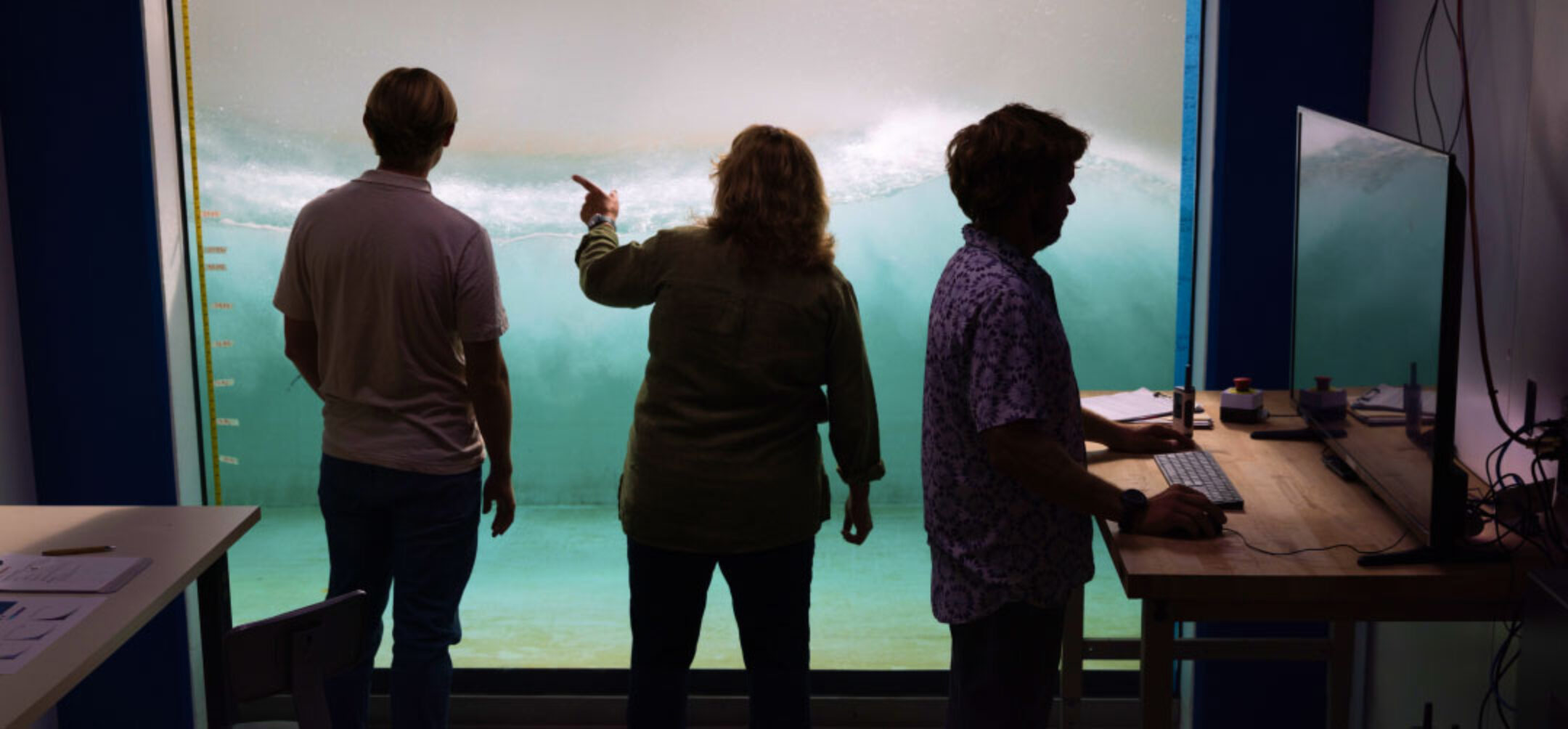
Another new study from UC San Diego examines how pollutants in wastewater are transmitted in the atmosphere through coastal aerosols, like sea spray. The researchers found that a mixture of illicit drugs, drug metabolites and chemicals from tires and personal care products aerosolize from wastewater and are detectable in both air and water.
Many nearby residents complain of respiratory illness, insomnia and headaches and several San Diego beaches have been closed almost continuously for the last three years because of high levels of bacteria from wastewater runoff.
While the effects of extended airborne exposures are not fully understood, researchers are examining these problems to find solutions faster. And they have developed a pathogen forecast model for sewage levels in the Pacific Ocean around the San Diego-Tijuana border region to predict illness risk for ocean swimming.
With this data and technology, researchers are influencing policy decisions — making the air safer for these communities today, with the hope of applying findings more broadly and making the air safer for all.


