Baking brownies? Frying an egg? Chances are you’re using canola oil — a kitchen staple made possible by research at UC San Diego. Biologist Marty Yanofsky developed a way to modify canola plants so their seed pods don’t shatter before harvest. That simple change means farmers can grow more food on the same land, protecting the environment while keeping cooking oil affordable. Today, this UC San Diego innovation powers a multibillion-dollar industry and helps put a healthier, reliable ingredient on dinner tables across America.
Areas of Impact
Resilient earth
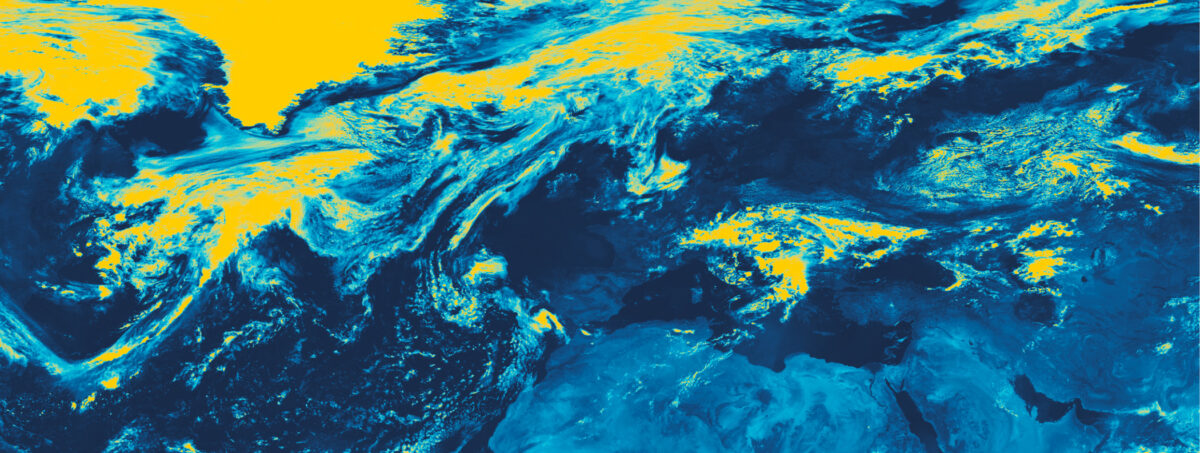
Extreme weather, dangerous pollution and stressed ecosystems are changing daily life for millions of people. You feel it in real moments: evacuating during a fast-moving wildfire, checking whether it’s safe to go to the beach or seeing food prices rise when crops fail.
Building a more resilient world means giving you and your community better tools to stay safe, protect your home and keep the places you love healthy.
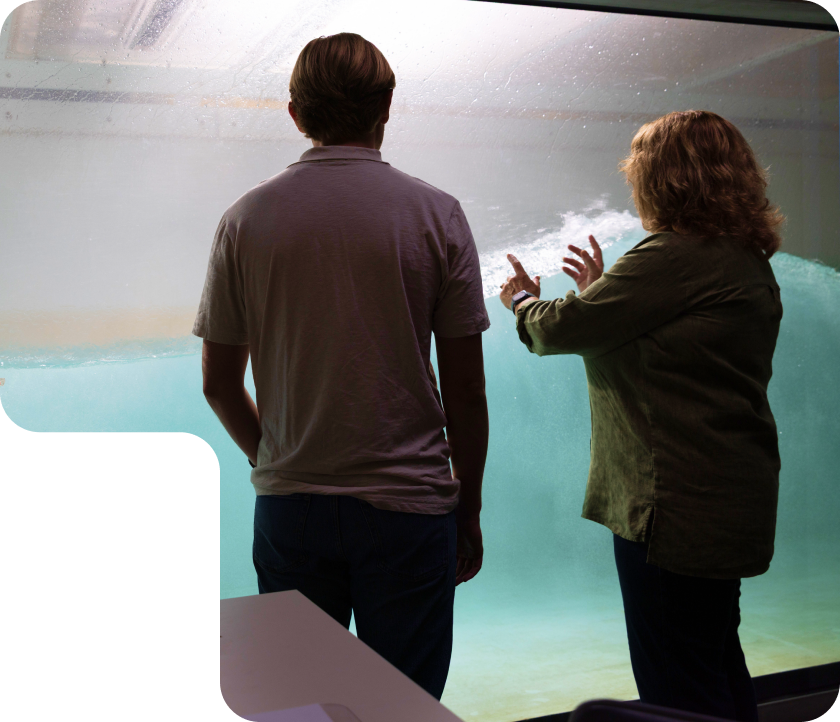
From the meals you make to the weather forecast you check to the warnings that keep you safe, UC San Diego research is working behind the scenes. Our teams deliver real-time information that helps firefighters spot wildfires early, helps agencies track shifting weather and ocean conditions and helps families understand beach pollution and health risks.
We’re also turning research into practical solutions, from new new methods that help coral reefs recover to shatterproof seeds that boost crop yields and help keep affordable staples like canola oil on the table.
Together, this work supports a healthier environment and helps communities prepare for what’s next.
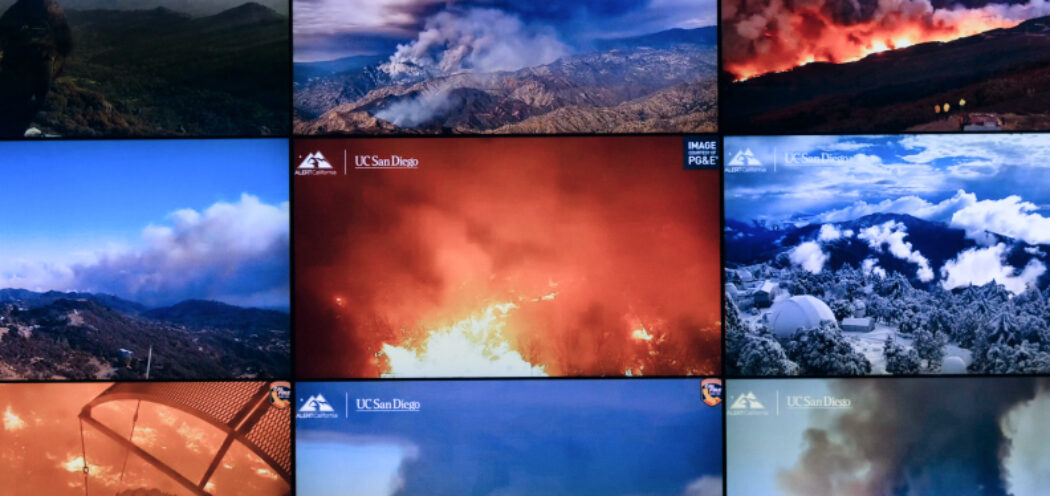
1,144+
cameras powering 24/7 wildfire and disaster monitoring across California




Resilient Earth
Research in Action
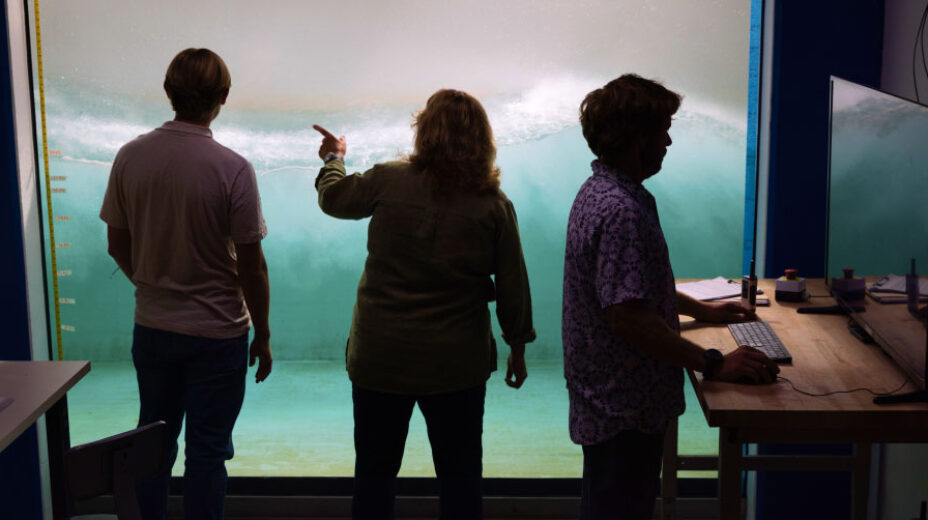
Cleaner Air. Safer Communities.
Researchers at UC San Diego have for the first time found a direct airborne link between contaminated rivers and the air that surrounding communities breathe.
video

Staying Ahead of Natural Disasters
ALERTCalifornia cameras can provide views up to 60 miles on a clear day and 120 miles on a clear night.
video

Tijuana River’s Toxic Water Pollutes the Air
For decades, the Tijuana River has carried millions of gallons of untreated sewage and industrial waste across the U.S.-Mexico border.
external-link

Pollution From the Tijuana River Affects Air Quality in San Diego
Wastewater pollution has been an ongoing problem for decades and is so severe that the nonprofit environmental group American Rivers recently named the Tijuana River America’s second-most-endangered river.
external-link

Research Flights Over the Atlantic Could Help Improve Atmospheric River Forecasting
A global effort to better understand moisture-laden rivers in the sky, like those currently battering the West Coast, will take flight in January.
external-link

First peer-reviewed study of Tijuana River Valley sewage crisis finds link between water pollution and toxic gas in air
The effects of extended exposure to hydrogen sulfide — long linked to headaches, nausea, difficulty breathing and other symptoms — are not fully understood, UC San Diego researchers said.
external-link
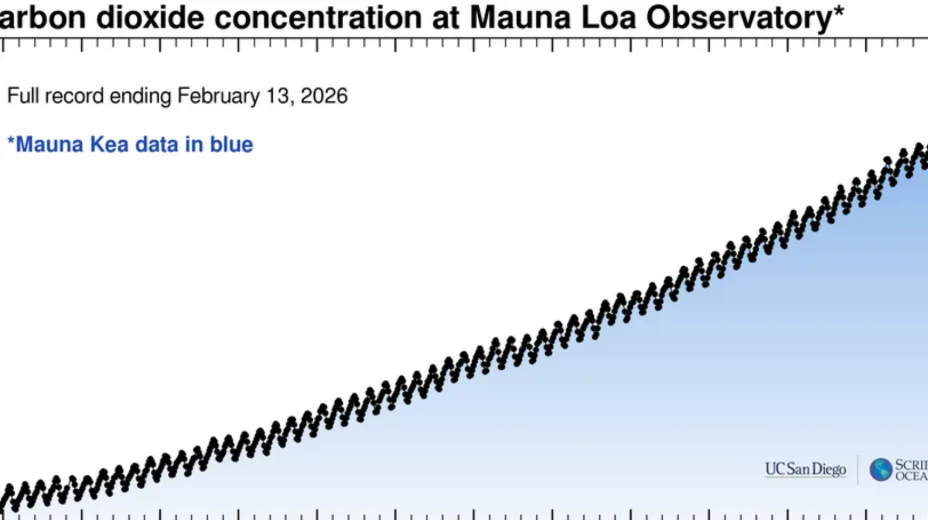
How San Diego climate research shaped a landmark greenhouse gas ruling
The federal government’s decision last week to stop regulating greenhouse gas emissions is personal to scientists in San Diego. That’s because one of the scientific cornerstones of that federal policy, the endangerment finding, is rooted in local research that dates back to 1958.
external-link
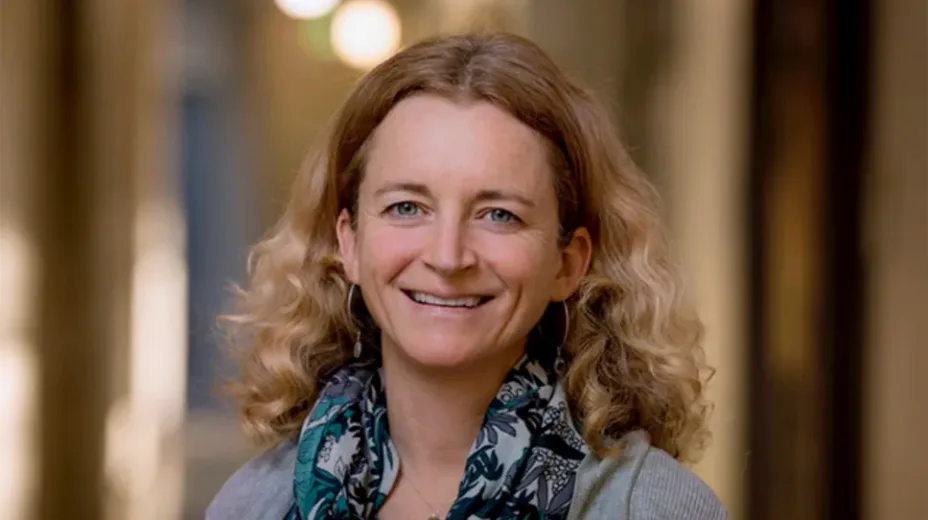
NASA chooses UC San Diego to lead satellite mission to explore environmentally sensitive regions of Earth
Glaciologist Helen Fricker will use a cutting-edge Lidar imaging system to study some of the world’s most isolated spots.
external-link
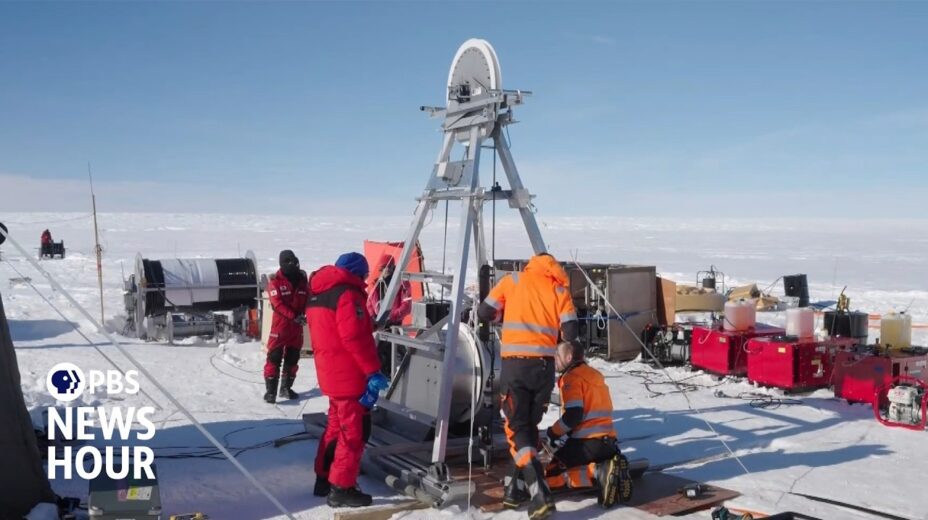
Despite setback, researchers uncover new findings at Antarctica’s Thwaites Glacier
Glaciologist Helen Fricker will use a cutting-edge Lidar imaging system to study some of the world’s most isolated spots.
external-link

6 Ways UC San Diego Research is Future-Proofing the Planet
Our planet is under growing pressure—whether it’s the safety of the food we eat, the quality of the air we breathe or the stability of the systems we rely on—and UC San Diego researchers are stepping up with science-driven solutions.
external-link

New Gel Could Boost Coral Reef Restoration
The substance improved coral larvae settlement by up to 20 times in experiments compared to untreated surfaces.
external-link

Growing Our Way out of a Climate Crisis
Genetically enhanced crops could be the best way to meet CO2 removal at the scale it needs.
external-link

Heat Waves Amplify Existing Inequities. Meet the Researchers Working to Change That.
Genetically enhanced crops could be the best way to meet CO2 removal at the scale it needs.
external-link

How Climate Policies that Incentivize and Penalize Can Drive the Clean Energy Transition
Study finds that when clean energy incentives are applied consistently, the economy can reach an 80% reduction in energy-related carbon emissions by mid-century.
external-link
SPEAK UP AND SUPPORT LIFE-CHANGING RESEARCH.
Meaningful impact takes sustained support from individuals, industry and government alike. Learn what fuels breakthroughs and how you can help by staying informed, contacting your representatives and supporting research in the ways that make sense for you.